
Cold Wallet Custody vs Exchange Risk: Protecting Capital in 2026
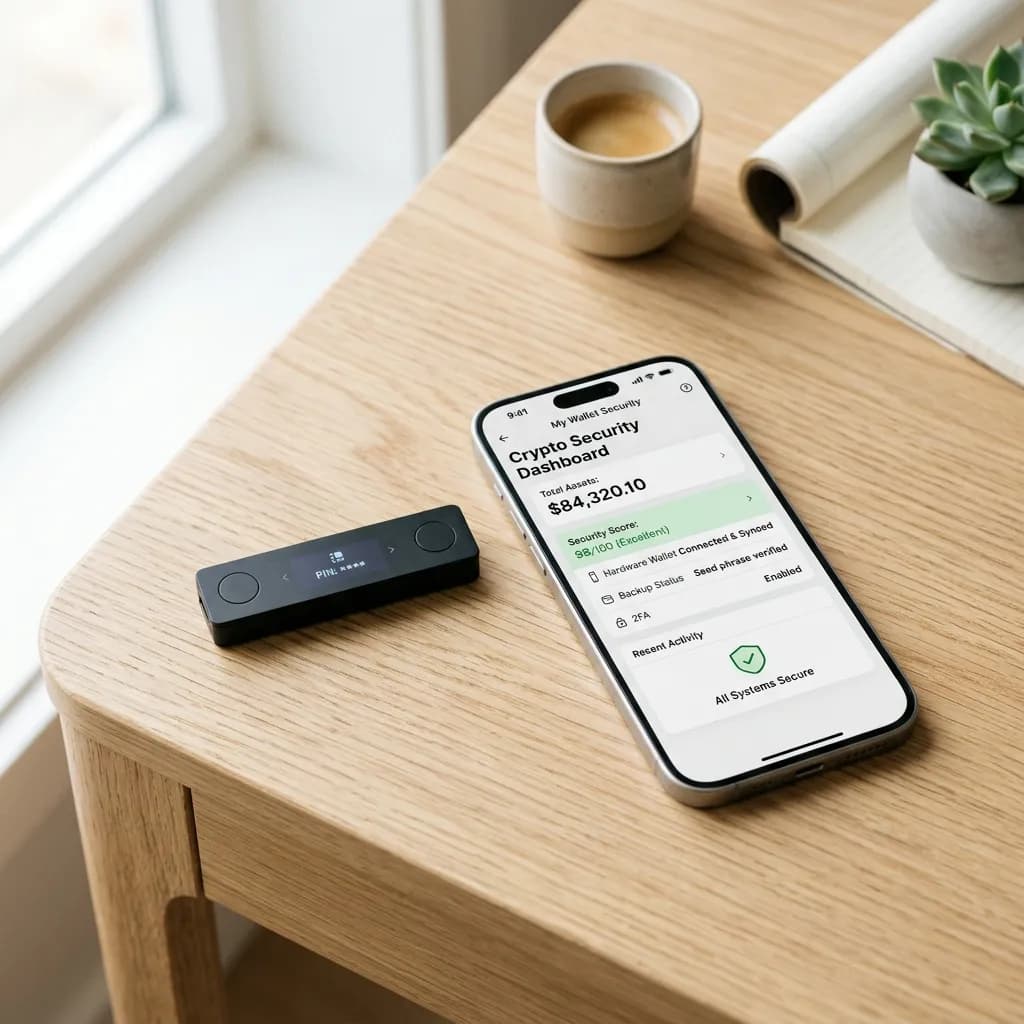
Photo Dispatch: Hardware cold wallet device placed beside encrypted digital security key and financial risk protection chartsSource: Yaga Newsroom Field Wire
“Exchange counterparty risk remains a primary search category across global crypto markets. Compare hardware cold wallet custody vs exchange convenience.”
Table of Contents
Search queries for cold wallet custody (+1,650% surge) and self-custody solutions like Phantom hardware integration highlight a growing focus on asset security. Learn how active traders balance exchange liquidity with hardware cold storage to eliminate counterparty risk.
Why Cold Wallet Searches Surged +1,650%
In our regional search dataset, queries like “Binance crypto wallet” (+1,650%) and “cold wallet crypto” experienced rapid growth. As traders gain experience, their attention shifts downstream from simple price monitoring toward securing digital assets against exchange outages, hacks, and regulatory freezes.
Self-Custody vs Exchange Account Balancing
Professional capital management requires separating long-term investment assets from active trading capital:
- Cold Storage (Offline Hardware): 80–90% of total portfolio capital held in self-custody hardware wallets (Ledger, Trezor).
- Active Exchange Margin: 10–20% of trading capital deployed on reputable licensed exchanges for active signal execution.
Hardware Wallets vs Web3 Mobile Wallets
While Web3 wallets like Phantom offer convenient mobile access to Solana and Ethereum dApps, connecting active trading wallets directly to unknown smart contracts poses risk. Pairing software wallets with hardware security keys provides a essential layer of protection.
YagaCalls Capital Preservation Philosophy
At YagaCalls, capital preservation is non-negotiable. Our signals focus heavily on spot trading and conservative position sizing, ensuring traders never risk their core portfolio balance on high-leverage exchange liquidation traps.
Capital Preservation First:
Read our full legal risk disclosure and capital protection framework to understand how YagaCalls structures spot setups with mandatory stop-loss parameters.
Related Strategic Research & Guides
Ready to Trade with Professional Guidance?
Get narrative-driven setups, strict risk invalidation levels, and precise entry targets sent directly to your private Telegram thread.
Would you hold Bitcoin through an -85% drawdown without panic selling?
Hindsight makes crypto compounding look simple. Run any historical capital allocation through our Crypto Historical Return Calculator to test true peak-to-trough cycle drawdowns across 150+ assets.
Frequently Asked Questions
Recommended Topic Cluster Reading
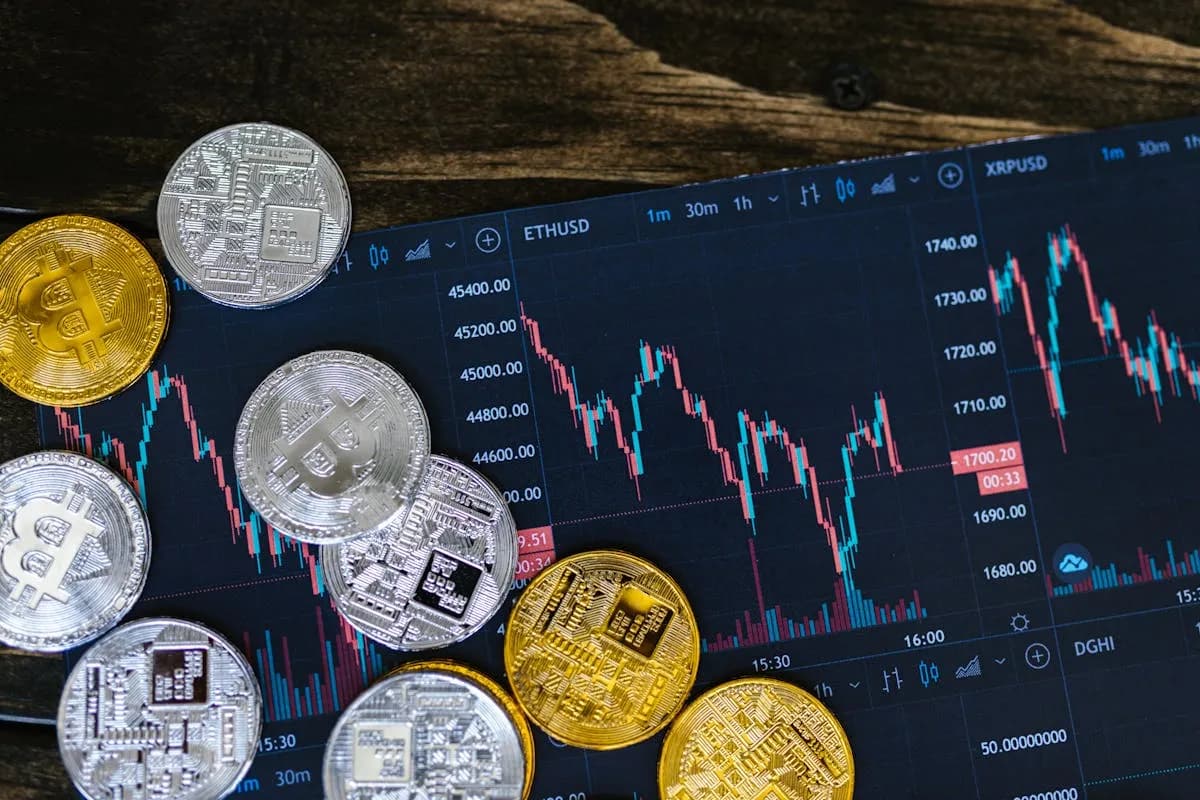
Crypto Signals for Beginners: A Practical Guide
A beginner's guide to using crypto trade signals. Learn the exact meaning of entry zones, invalidation parameters, position sizing, and how to avoid emotional mistakes.
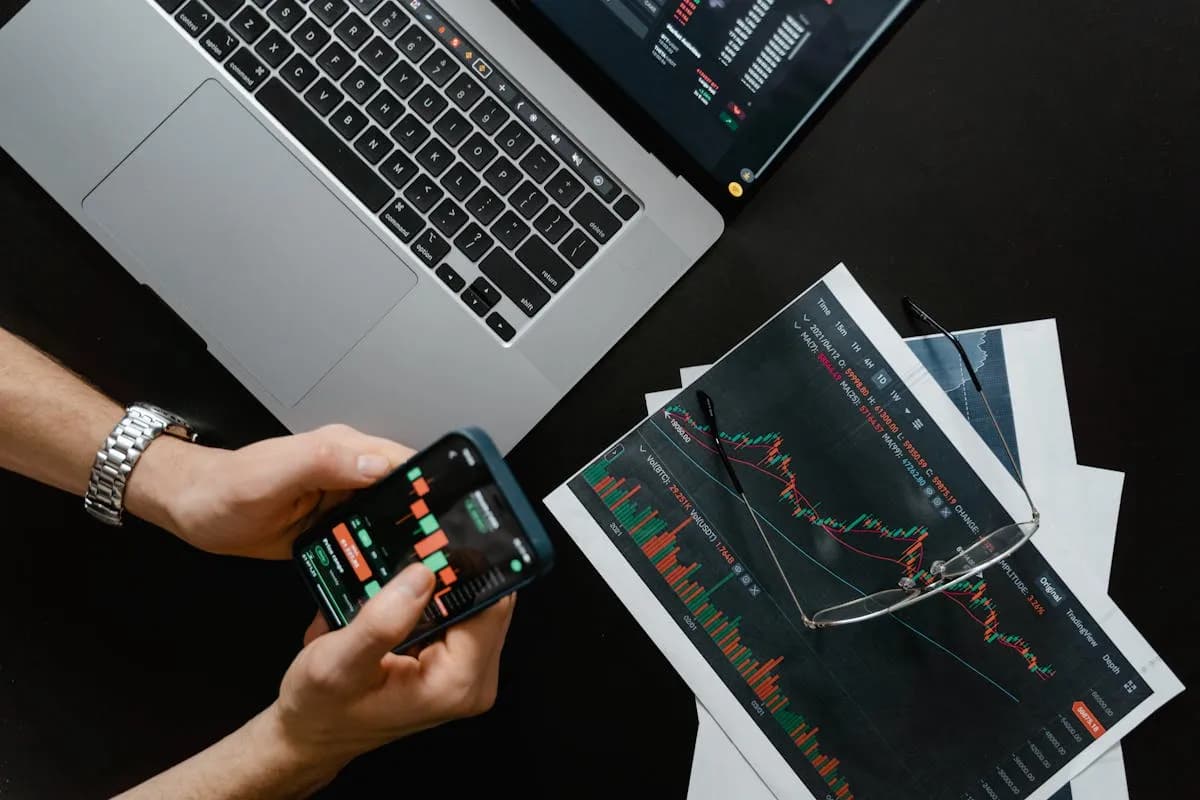
Why Stop Loss Matters in Crypto Signals
In a 24/7 market, a non-negotiable stop loss is your only insurance policy against liquidation. We break down the mathematical reality of drawdowns, invalidation levels, and position sizing.
Educational & Informational Content Only
All cryptocurrency signal recommendations, narrative analysis studies, timezone liquidity reports, stop-loss calculations, and market structure commentary published by Yaga Calls are intended strictly for educational and informational purposes only. This content does not under any circumstances constitute financial, investment, legal, or tax advice.
Cryptocurrency asset markets are highly speculative, unregulated in many jurisdictions, and carry an extreme risk of financial loss, high volatility, and exchange-side liquidation. Past performance case studies (such as our historical SUI breakout setups) do not under any circumstances guarantee or predict future market results. Always implement proper position-sizing limits, never average down on a failing position, and never trade with capital you cannot afford to lose.