
Crypto Signals for Beginners: A Practical Guide
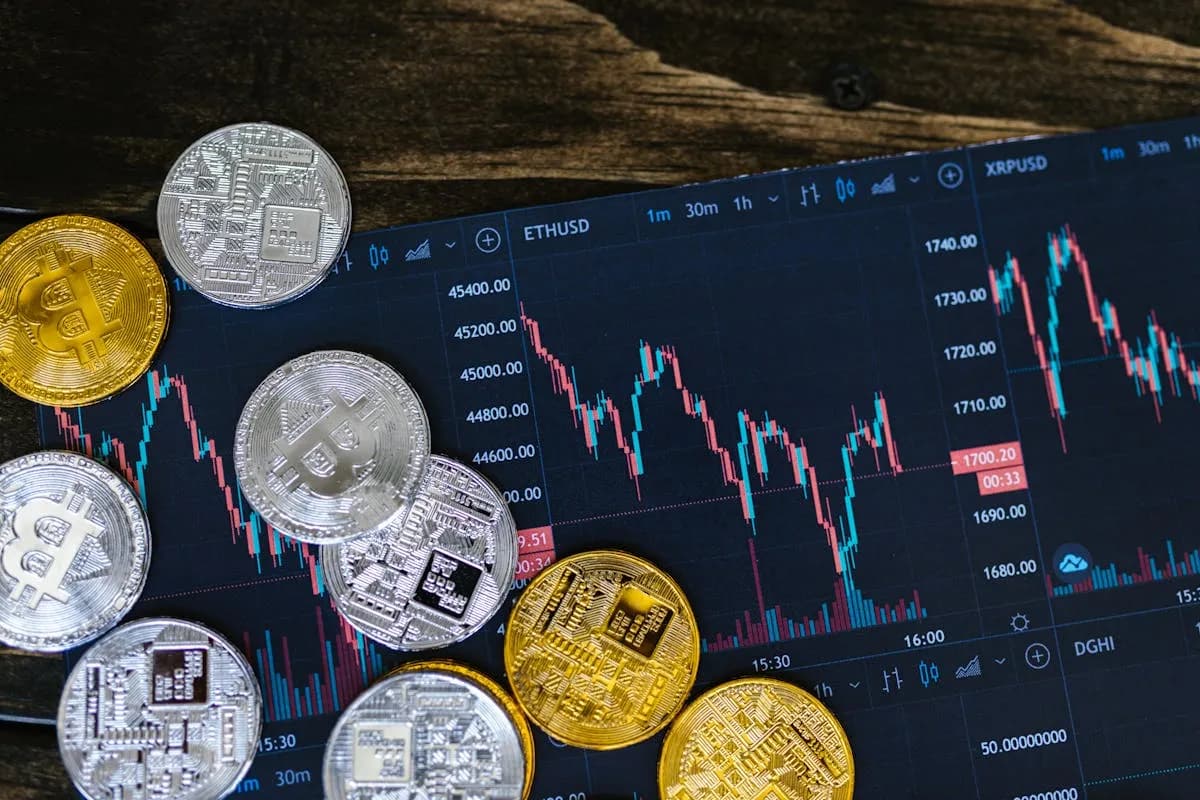
Photo Dispatch: A beginner trader learning technical analysis by analyzing crypto signal charts on a laptop inside a clean workspaceSource: Yaga Newsroom Field Wire
“A beginner's guide to using crypto trade signals. Learn the exact meaning of entry zones, invalidation parameters, position sizing, and how to avoid emotional mistakes.”
Table of Contents
A Math-First Framework for New Market Entrants
Entering the 24/7 cryptocurrency market as a beginner can be overwhelming. A high-quality signal group serves as an educational shortcut, allowing you to observe how seasoned analysts identify setups and manage risk. But executing signals without a mechanical understanding of their parameters or ignoring position-sizing rules is a guaranteed way to lose capital.
The Beginner Mandate: A signal is not a financial lottery tickets. It is a highly structured, probability-based trading blueprint with strict, pre-calculated boundaries.
Beginner Safety checklist
Entry Range (Accumulation)
$3,120 - $3,150
Invalidation Level
$2,980 (Stop-Loss)
Tiered Exit Targets
TP1 (50%)
$3,400
TP2 (25%)
$3,600
TP3 (25%)
$3,800
How to Read and Execute the Setup
1. The Entry range limit
Never chase a signal if the price is already trading above the entry zone. Buying a pumped asset is called FOMO, which ruins your risk-to-reward ratio and exposes you to severe liquidations.
2. Non-negotiable Stop-Loss
The stop-loss ($2,980) represents your portfolio insurance policy. If the asset falls to this level, your exchange sells it automatically to prevent irreversible, compounding capital losses.
3. Tiered Take-Profits
Sell 50% of your position at TP1 and immediately adjust your stop-loss order to your entry price ($3,135). This locks in profit and creates a completely risk-free open position.
Position Sizing Calculator Walkthrough
The absolute fastest way a beginner blows their trading account is by "over-allocating"—putting their entire account balance or using extreme leverage on a single trade. In crypto, you must mathematically calculate the size of every trade to protect your purchasing power.
Define Portfolio Risk
If starting capital is $5,000, risking 1.5% limits your maximum allowed loss on a failed trade to exactly $75.
Measure Technical Distance
With an entry price at $1.00 and stop-loss set at $0.90, the technical invalidation distance is exactly 10%.
Find Position Allocation
$75 Dollar Risk / 10% Distance = $750 Size
Allocate $750 of capital to buy tokens. If stopped, you sell for $675, losing exactly $75 (1.5% account impact).
Three Critical Traps Beginners Must Avoid
Trading success is determined by emotional discipline, not just technical calculations. Auditing your behavior prevents these three common traps.
Moving the Stop-Loss Lower
When a trade moves negative, beginners panic and hope. They lower their stop-loss to "give it room." This emotional reactions is fatal, turning a pre-calculated minor loss into a catastrophic portfolio drawdown.
Revenge Trading After Loss
After a trade hits stop-loss, beginners feel a strong desire to "make it back" immediately. They force new, uncalculated trades on high leverage. If a trade is stopped, close your app and wait for the next structural setup.
FOMO Peak Chasing
When an asset breaks out and green candles rally, beginners experience FOMO. They buy at peak prices. This is the exact moment professional swing traders scale out and take profits, leaving retail buyers holding the bag.
Your Onboarding Protocol: 4 Steps to Sustainable Execution
Connect with our Human Support Desk
To join our premium Telegram network, message our verified onboard handle (@yagacalls47). We verify your trading experience and exchange setups.
Review Position Sizing Spreadsheets
We walk you through our risk-management templates to ensure you understand how to align stop-loss distance with portfolio balances.
Practice with Limit Orders Only
Commit to using limit-order entries to accumulate positions systematically within designated ranges without chasing pumps.
Perform a 10-Day Paper Trading Audit
Test the delivery speed, Practice calculating position sizing, and observe exiting timing using simulated trades before risking real capital.
Related Strategic Research & Guides
Ready to Trade with Professional Guidance?
Get narrative-driven setups, strict risk invalidation levels, and precise entry targets sent directly to your private Telegram thread.
Would you hold Bitcoin through an -85% drawdown without panic selling?
Hindsight makes crypto compounding look simple. Run any historical capital allocation through our Crypto Historical Return Calculator to test true peak-to-trough cycle drawdowns across 150+ assets.
Frequently Asked Questions
Recommended Topic Cluster Reading
Best Crypto Signals Group: What Serious Traders Should Look For
Finding the best crypto signals group requires moving beyond simple flash screenshots and guaranteed profit claims. We audit the core pillars of professional signal operations, stop-loss calculations, invalidation rules, and 1-on-1 human onboarding.
Why Stop Loss Matters in Crypto Signals
In a 24/7 market, a non-negotiable stop loss is your only insurance policy against liquidation. We break down the mathematical reality of drawdowns, invalidation levels, and position sizing.
Educational & Informational Content Only
All cryptocurrency signal recommendations, narrative analysis studies, timezone liquidity reports, stop-loss calculations, and market structure commentary published by Yaga Calls are intended strictly for educational and informational purposes only. This content does not under any circumstances constitute financial, investment, legal, or tax advice.
Cryptocurrency asset markets are highly speculative, unregulated in many jurisdictions, and carry an extreme risk of financial loss, high volatility, and exchange-side liquidation. Past performance case studies (such as our historical SUI breakout setups) do not under any circumstances guarantee or predict future market results. Always implement proper position-sizing limits, never average down on a failing position, and never trade with capital you cannot afford to lose.