
Best Crypto Signals Group: What Serious Traders Should Look For
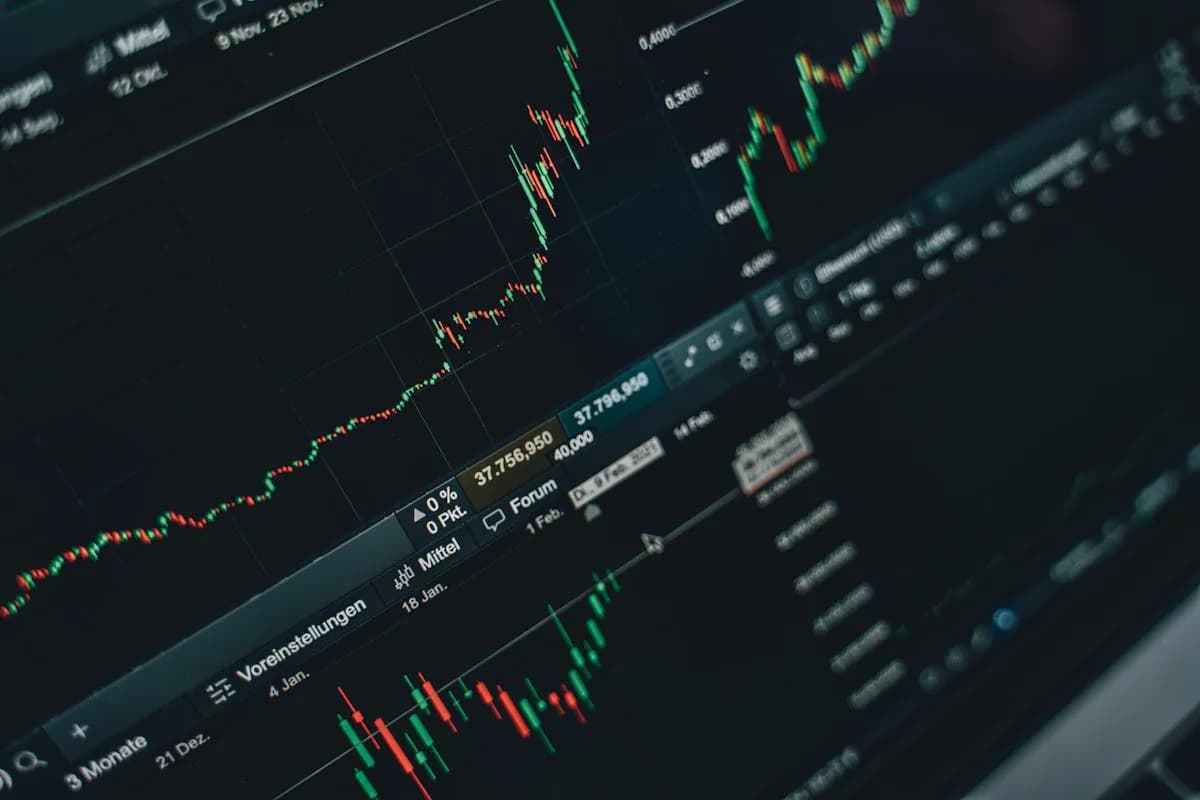
Photo Dispatch: Professional crypto trading desk showing highly detailed candlestick charts and mathematical risk metrics for evaluating signalsSource: Yaga Newsroom Field Wire
“Finding the best crypto signals group requires moving beyond simple flash screenshots and guaranteed profit claims. We audit the core pillars of professional signal operations, stop-loss calculations, invalidation rules, and 1-on-1 human onboarding.”
Table of Contents
Moving Past Retail Scams to Institutional Research
Finding the best crypto signals group requires moving beyond simple profit screenshots and guaranteed return claims. The digital asset market operates 24/7, making mechanical crossovers highly prone to fakeouts. A professional signal group functions as an active research partner, prioritizing capital preservation over high-frequency alert noise.
The Professional Edge: Elite groups operate as structured intelligence networks, combining technical structures with narrative catalysts and timezone-specific liquidity audits.
The 3-Second Audit
What Separates Elite Research From Noise
Do not judge a provider by green screenshots. Audit their operations based on these three institutional pillars.
Selectivity Over Volume
Noisy channels blast 10-20 alerts daily to trigger affiliate commission trades. Elite desks execute extreme selectivity, sharing only 2-4 high-conviction swing setups per week.
Narrative Integration
Raw indicators are highly prone to fakeouts. High-probability setups merge daily accumulation ranges with physical catalysts like developer bridges and timezone capital inflows.
Human Onboarding
Low-quality channels funnel retail accounts into automated payment checkouts. Legitimate networks onboard users 1-on-1 to verify risk limits and exchange setups.
The Blueprint of a Structured Trade Setup
A professional trade signal is a comprehensive, actionable execution map. It should provide specific limit-order zones to accumulate positions systematically without chasing FOMO, accompanied by tiered exit levels and a mathematically-defined invalidation threshold.
Entry Zone: Limits accumulation to logical retests, protecting capital from sudden range spikes.
Logical Invalidation: A protective stop-loss set just below major structures where the breakout thesis is invalidated.
Scaling Take-Profits: Secures partial gains incrementally while adjusting open stop-losses to completely eliminate risk.
Rationale: Strong daily range breakout retest, high bridge bridges inflows during London session.
Accumulation Zone
$1.46 - $1.49
Invalidation Level
$1.39 (Stop-Loss)
Take-Profit Targets
TP1 (50%)
$1.70
TP2 (25%)
$1.85
TP3 (25%)
$2.00
Risk Management Note: Maximum 1.5% portfolio risk. If SUI closes a 4-Hour candle below $1.39, the trade setup is invalid.
The Trap vs. The Professional Reality
Audit potential providers by evaluating their communication and operational standards against these parameters.
Retail Scams & Traps
"99% Guaranteed Win Rates"
Low-quality groups claim perfect track records to capture subscription sales, masking the statistical reality of drawdowns.
"Edited" past messages
Admins silently edit past trade setups after a pump, or completely delete stopped-out trades to fake perfect entries.
High-leverage screenshots
Showcasing massive percentage gains (e.g. +1000%) on unregulated 100x leverage without revealing actual dollar sizing.
Institutional Standards
Probabilistic Execution
Elite analysts expect sustainable win-rates of 55%-70% and manage risk to let profits run while cutting losses early.
Unedited Ledger & Timestamps
Maintain a public ledger of every trade called—both profitable targets and managed stopped setups—with unedited timestamps.
Spot and Low Leverage focus
Prioritizing spot accumulation or low leverage (2x-5x) focused entirely on raw percentage gains and exact capital control.
Position Sizing: The Core Math of Survival
The ultimate variable of survival is position sizing. Even with an elite signal provider, a string of consecutive losses will occur. Risk management dictates that you must calculate the exact size of every trade to ensure your total loss never exceeds 1% to 1.5% of your portfolio value.
Define Max Account Risk
If portfolio is $10,000, risking 1.5% means the absolute maximum loss allowed is exactly $150.
Calculate Stop-Loss Distance
If entry price is $1.00 and stop-loss is set at $0.90, the technical invalidation distance is 10%.
Find Position Allocation
$150 Risk / 10% Distance = $1,500 Size
Allocate $1,500 of capital. If stopped out, you lose exactly $150 (1.5% account impact).
Your Audit Protocol: 4 Steps Before Subscribing
Review the Ledger history
Do they maintain a complete, timestamped list of all past trades, or do they only pin green winners? Scroll back at least 6 months.
Test their Selectivity
Avoid channels that spam dozens of calls daily. Look for selective swing trading desks sharing 2 to 4 premium setups weekly.
Verify Onboarding quality
Look for high-touch human support that ensures you understand capital risk boundaries and sizing spreadsheets before trading.
Observe first in Stablecoins
Spend your first 10 days observing the entry speed, execution timing, and risk updates without deploying real capital.
Related Strategic Research & Guides
Ready to Trade with Professional Guidance?
Get narrative-driven setups, strict risk invalidation levels, and precise entry targets sent directly to your private Telegram thread.
Would you hold Bitcoin through an -85% drawdown without panic selling?
Hindsight makes crypto compounding look simple. Run any historical capital allocation through our Crypto Historical Return Calculator to test true peak-to-trough cycle drawdowns across 150+ assets.
Frequently Asked Questions
Recommended Topic Cluster Reading

Telegram Crypto Signals: What Makes a Group Trustworthy?
Telegram is the undisputed epicenter of global crypto trading, but it is also filled with copycat channels and fake win-rate claims. Learn the step-by-step verification checklist to audit a premium group before risking capital.

Crypto Signals for Beginners: A Practical Guide
A beginner's guide to using crypto trade signals. Learn the exact meaning of entry zones, invalidation parameters, position sizing, and how to avoid emotional mistakes.
Educational & Informational Content Only
All cryptocurrency signal recommendations, narrative analysis studies, timezone liquidity reports, stop-loss calculations, and market structure commentary published by Yaga Calls are intended strictly for educational and informational purposes only. This content does not under any circumstances constitute financial, investment, legal, or tax advice.
Cryptocurrency asset markets are highly speculative, unregulated in many jurisdictions, and carry an extreme risk of financial loss, high volatility, and exchange-side liquidation. Past performance case studies (such as our historical SUI breakout setups) do not under any circumstances guarantee or predict future market results. Always implement proper position-sizing limits, never average down on a failing position, and never trade with capital you cannot afford to lose.