
Binance Got Hacked: Who Did It, Hacker Name, Country & Are Funds Safe?
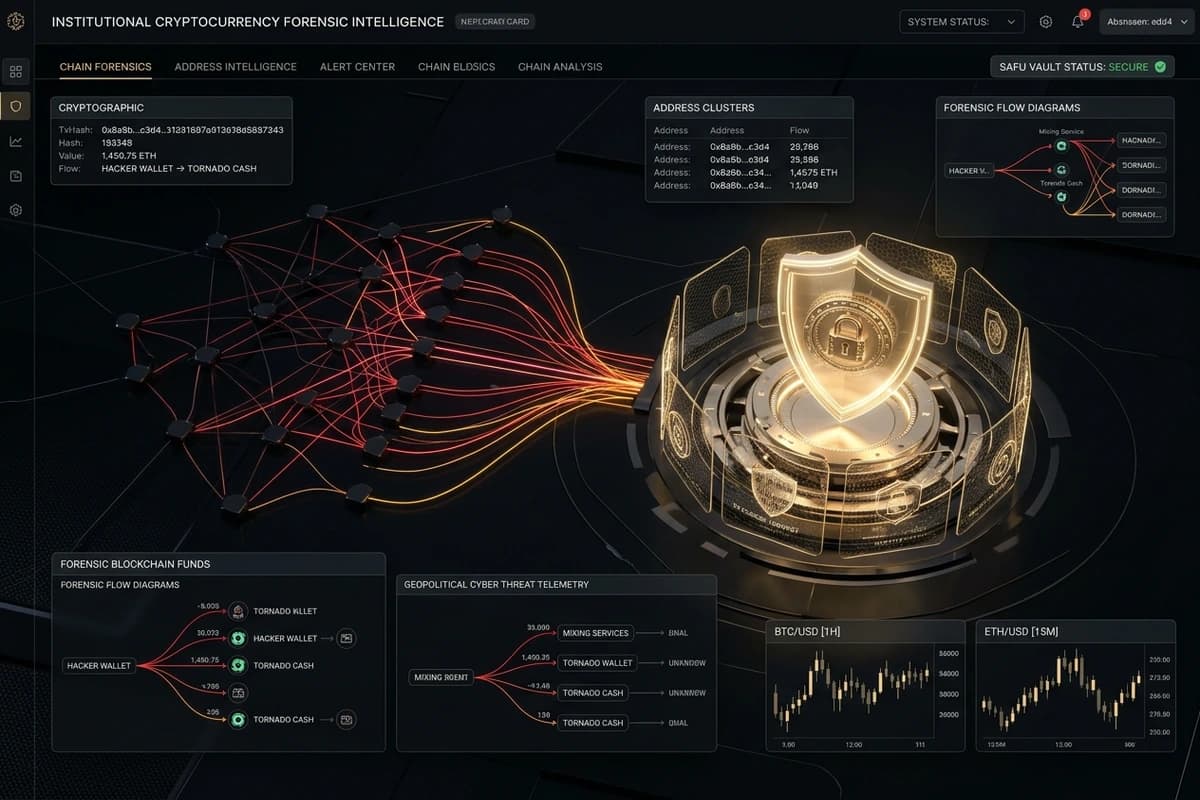
Photo Dispatch: Forensic blockchain tracking terminal illustrating the October 2026 Binance hot-wallet exploit, hacker attribution, and SAFU asset protection.Source: Yaga Newsroom Field Wire
“Binance suffered a hot-wallet security incident on October 29, 2026. Here is the verified truth on hacker identity, North Korea attribution, SAFU reserve coverage, and how spot traders avoided the $1.5B market liquidation flush.”
Table of Contents
Direct Answer: Did Binance Get Hacked, Who Did It, and Are Your Funds Safe?
Yes, Binance suffered a hot-wallet security incident on October 29, 2026. Approximately $6.36 billion in cryptocurrency was drained across ten blockchains within roughly twenty minutes. However, user funds are safe and fully backstopped by Binance’s SAFU reserve fund, and over $2.7 billion of stolen stablecoins have already been frozen on-chain through emergency coordination.
TraderTraitor
Lazarus Group state unitNorth Korea (DPRK)
Attributed by TRM LabsDevOps EIP-7702
Zero master keys leaked100% Backed
Confirmed by CZ & Yi HeWhat Actually Happened: The 20-Minute Hot-Wallet Drain
At approximately 20:20 UTC on October 29, 2026, blockchain monitoring platforms flagged anomalous large-value outflows from Binance-tagged hot wallets across Ethereum, Bitcoin, Solana, XRP Ledger, and Tron. The attacker utilized pre-signed EIP-7702 authorizations on an internal DevOps engineering container, temporarily converting authorized hot-wallet addresses into automated transaction sweepers.
Crucially, Binance confirmed that no central cold-storage private keys were compromised. The incident was isolated entirely to hot-wallet liquidity buffers used for immediate withdrawal processing. Within 45 minutes, Tether (USDT), Circle (USDC), and Arbitrum’s Security Council blacklisted attacker-controlled recipient addresses, halting $2.7B+ before it could be routed through decentralized lending markets.
The Unspoken Reality: Why Exchange Halts Wipe Out Leveraged Traders
While Binance’s balance sheet protects deposited capital through SAFU, the market panic triggered by the news dumped Bitcoin from $80,500 down to $76,320 in minutes. Over $1.54 billion in leveraged futures contracts were violently liquidated across the industry within 24 hours.
Traders holding 10x, 20x, or 50x futures positions had no time to respond: exchange withdrawal halts locked transfer pipelines, spreads blew out on order books, and automated liquidation engines sold their positions at the absolute bottom. Even when an exchange is solvent, leverage during black swan news creates instant capital wipeouts.
Curious where your liquidation price sits during a flash crash?
Calculate your margin buffer before the next exchange news wick strikes.
How Serious Traders Protect Capital: Decoupling Custody from Signals
Professional crypto investors never confuse market research with custody. When you trade with Yaga Calls, you never send funds to a pool, bot, or signal provider. Your assets remain in your own private hardware wallet or preferred local exchange, while you execute 100% unleveraged spot trades with pre-defined invalidation stop-losses.
| Trading Operational Dimension | Leaving Funds on 20x Futures | Yaga Calls Spot Framework |
|---|---|---|
| Custodial Vulnerability | 100% exposed to exchange freeze or hot-wallet drain | Zero custodial exposure; funds stay in your private wallet |
| Black Swan News Reaction | Sudden -6% dump triggers automated margin liquidation | Unleveraged spot avoids liquidation; controlled -3% stop cap |
| Withdrawal Halt Impact | Unable to rebalance or hedge while trading is paused | Capital is distributed; free to execute across any liquid venue |
| Sleep & Stress Level | Constant anxiety over exchange downtime and weekend wicks | Stress-free swing setups with fixed pre-planned invalidation |
Verified Primary Sources & Public Records
Trade the Volatility With Pure Spot Signals & Zero Liquidation Fear
Stop gambling with high-leverage futures on centralized order books. Yaga Calls delivers institutional market narrative research, clear spot entry zones, and mandatory invalidation levels right to your Telegram.
Educational market analysis only. Crypto trading involves capital risk. No signal provider can guarantee profit.
Ready to Trade with Professional Guidance?
Get narrative-driven setups, strict risk invalidation levels, and precise entry targets sent directly to your private Telegram thread.
Would you hold Bitcoin through an -85% drawdown without panic selling?
Hindsight makes crypto compounding look simple. Run any historical capital allocation through our Crypto Historical Return Calculator to test true peak-to-trough cycle drawdowns across 150+ assets.
Frequently Asked Questions
Recommended Topic Cluster Reading
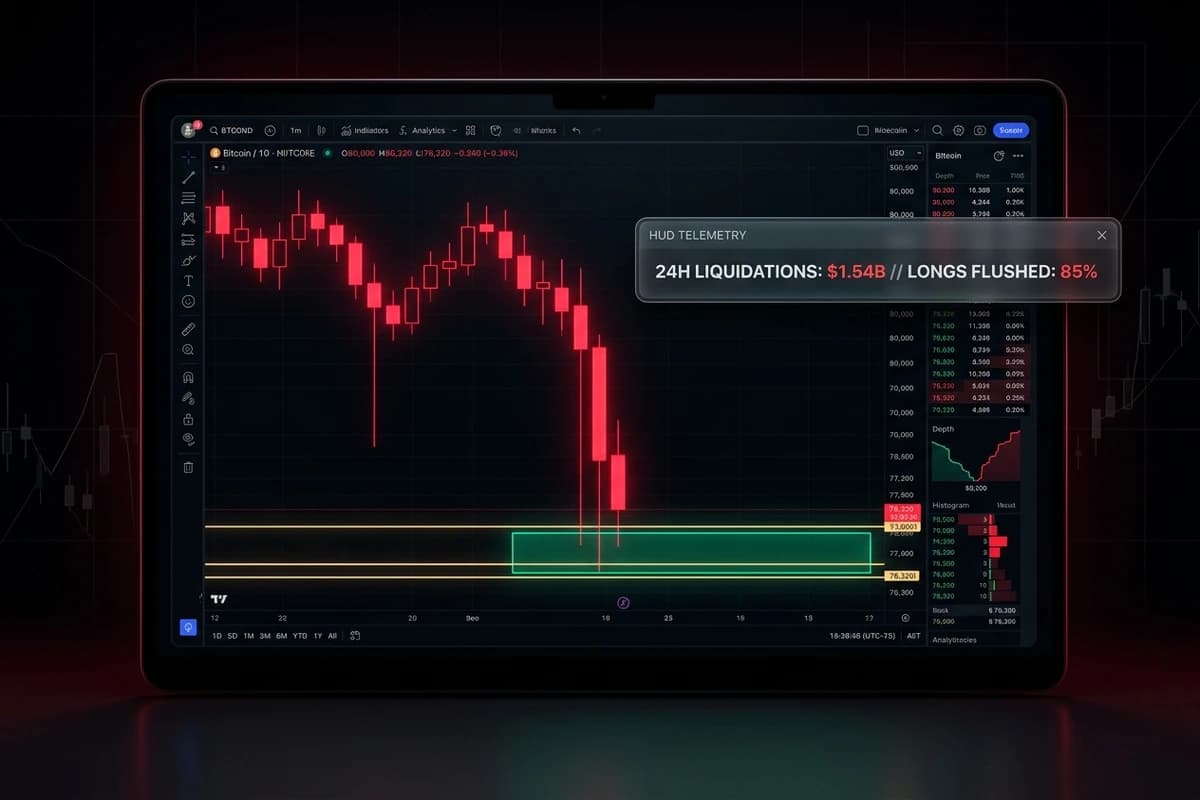
Why Did Bitcoin Dump Today? What Caused the $1.5 Billion Crypto Liquidation
Bitcoin dropped sharply to $76,320 after breaking support. We deconstruct the $1.54B cascading long squeeze, why 243,000 leveraged futures traders were wiped out, and the mathematical survival advantage of unleveraged spot signals.
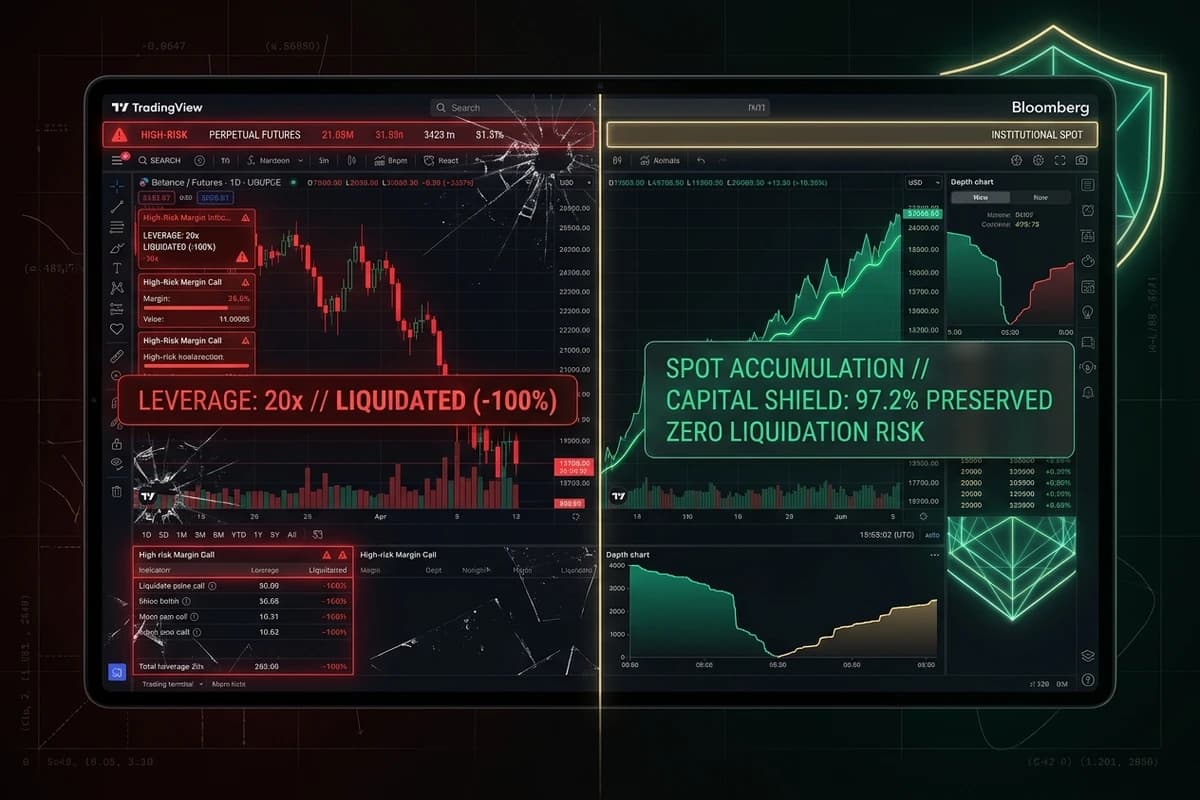
How to Stop Getting Liquidated in Crypto: The Simple Strategy That Saves Your Account
Liquidation is not bad luck; it is mathematical certainty when using high leverage. Learn the 3 golden rules of capital preservation, asymmetric drawdown math, and why professional swing traders stick to spot accumulation.
Educational & Informational Content Only
All cryptocurrency signal recommendations, narrative analysis studies, timezone liquidity reports, stop-loss calculations, and market structure commentary published by Yaga Calls are intended strictly for educational and informational purposes only. This content does not under any circumstances constitute financial, investment, legal, or tax advice.
Cryptocurrency asset markets are highly speculative, unregulated in many jurisdictions, and carry an extreme risk of financial loss, high volatility, and exchange-side liquidation. Past performance case studies (such as our historical SUI breakout setups) do not under any circumstances guarantee or predict future market results. Always implement proper position-sizing limits, never average down on a failing position, and never trade with capital you cannot afford to lose.